How to Choose a Genuine Manuka Honey: Certifications, Testing, and Transparency

With Manuka honey gaining global attention, the market has become increasingly crowded. Countless labels, grades, and claims can make it difficult for consumers to know what’s truly authentic. Not all Manuka honey is produced to the same standard, and understanding what to look for is essential when choosing a product that is pure, traceable, and genuinely representative of the Manuka plant.
Fortunately, there are clear markers that help buyers distinguish between authentic Manuka honey and products that may be blended, diluted, or inaccurately labelled. Choosing well doesn’t require scientific expertise — just a few key insights into how Manuka honey is tested, certified, and honestly presented.
1. Look for Verified MGO Ratings
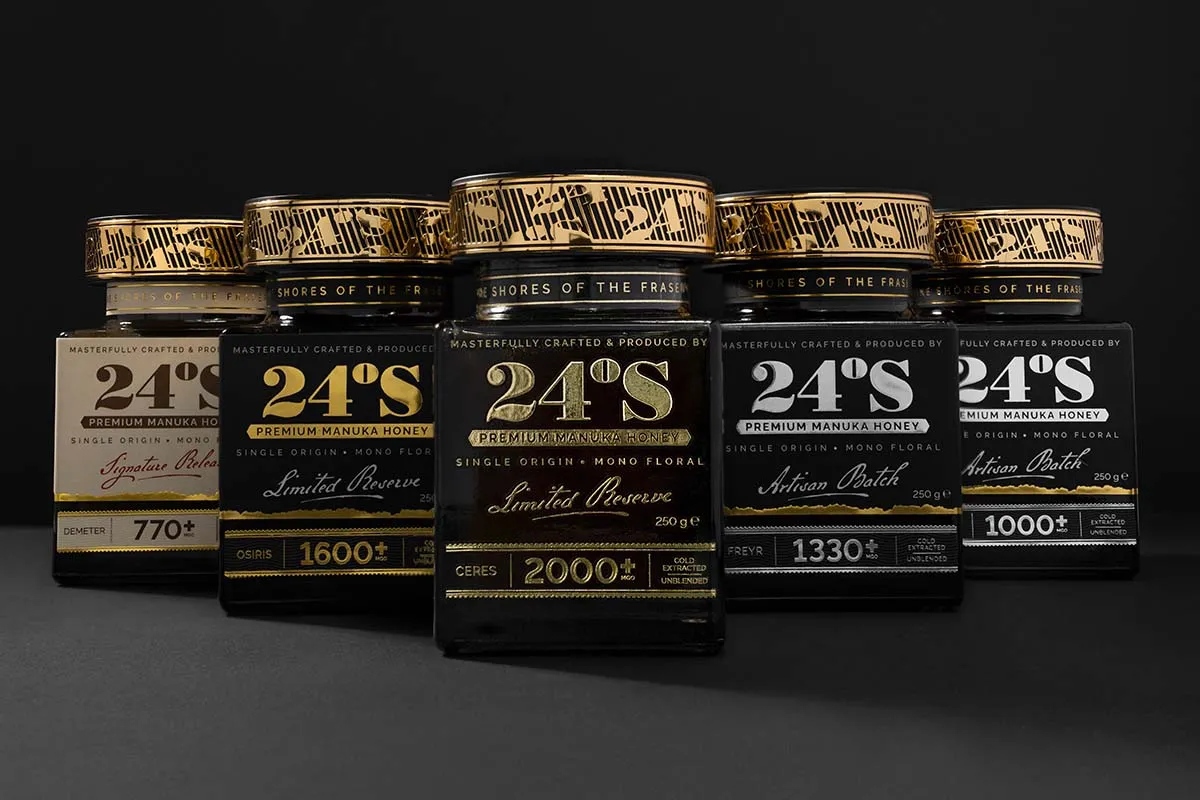
MGO (methylglyoxal) is one of the most recognised indicators of Manuka honey strength. Authentic Manuka honey will always have its MGO level clearly displayed on the label, backed by independent lab testing.
A genuine MGO rating means:
• the honey naturally contains the stated amount of MGO
• it has been scientifically tested
• the number reflects minimum potency, not an average
• the brand is transparent about what’s inside the jar
If a product lists Manuka honey but does not display a verified MGO or similar marker of natural activity, it may not be authentic or may be blended with lower-quality honey.
2. Check for Independent Laboratory Testing
Any company producing high-quality Manuka honey will test its batches through certified independent laboratories. This testing confirms several important elements, including:
• the exact MGO level
• the presence of Manuka-specific chemical markers
• the honey’s monofloral identity
• purity, origin, and authenticity
Testing is not optional. It is an essential safeguard that ensures the honey you buy is exactly what the label claims.
Look for brands that:
• share testing information openly
• can trace every jar back to its batch
• use recognised testing facilities
• operate under transparent quality controls
Transparency is a fundamental sign of trustworthiness.
3. Understand Certification Systems
Different countries have different standards. In Australia, the Australian Manuka Honey Association (AMHA) sets strict criteria for what qualifies as authentic Manuka honey.
AMHA certification verifies:
• floral origin
• chemical markers
• purity
• MGO content
• traceability of the production process
This certification helps protect consumers and ensures that the honey meets a recognised standard of authenticity.
New Zealand uses its own system governed by MPI (Ministry for Primary Industries), often including UMF ratings. Both systems aim to verify genuine Manuka, but the key point is that authentic honey will always be supported by a validated certification process.
4. Choose Monofloral and Unblended Honey
Authentic Manuka honey is monofloral, meaning the nectar comes primarily from Manuka flowers. This gives the honey its distinctive characteristics and supports consistent, traceable MGO levels.
Unblended honey is another vital indicator of quality. Many commercial honeys mix multiple harvests or floral sources to create uniform flavour — but this often dilutes purity and removes the individuality of the honey.
When a brand clearly states that its honey is monofloral, unblended, and single origin, it’s a sign they prioritise:
• quality over quantity
• traceability
• natural variations
• honesty in the production process
5. Examine the Label for True Origin
True Manuka honey will always state exactly where it was produced. Words like “packed in”, “distributed by”, or “made for” do not indicate the origin of the honey itself — only its packaging location.
To ensure authenticity, look for:
• the country of origin
• the region of harvest
• clarity about single-origin production
High-end Manuka producers are proud of their provenance and make it easy to trace back to the source.
6. Look for Brands That Share Their Story
Genuine producers have nothing to hide. They will openly explain:
• where their bees live
• how they care for the land
• how they extract their honey
• why their region matters
• how they protect quality
If a brand shares little about its processes or avoids specifying origin, that’s a red flag.
Brands with strong transparency take consumers behind the scenes and highlight the natural factors that make their honey unique.
7. Trust Your Senses and Look for Natural Variation
Authentic Manuka honey is a natural product. It will vary slightly in:
• colour
• aroma
• texture
• flavour
These variations are signs of a genuine harvest, not imperfections. Uniform honey across seasons often indicates blending.
A brand that celebrates batch individuality is typically one committed to honest, unaltered honey.
Confidence Comes from Clarity
Choosing genuine Manuka honey doesn’t need to be complicated. By focusing on certifications, testing, provenance, and transparency, consumers can make informed decisions and enjoy honey that truly reflects nature at its finest.
Authentic Manuka honey is shaped by the land, crafted with care, and verified through science. When a jar captures all three, you can trust that it is the real thing.
Related posts
What Makes Australian Manuka Honey Unique? A Look Into Our Native Biodiversity

Inside the Hive: How Healthy Bees and Pristine Environments Shape Premium Manuka Honey

The Art of Cold Extraction: Preserving the Natural Integrity of Manuka Honey
Understanding MGO: What It Means and Why It Matters in Manuka Honey

Monofloral, Unblended, Single Origin: Why These Qualities Matter in Genuine Manuka Honey

Australian vs New Zealand Manuka: What’s the Real Difference?

From Bloom to Bottle: The Seasonal Journey of High-Grade Manuka Honey

Why Provenance Matters: The Fraser Coast and the Making of Exceptional Manuka
How to Choose a Genuine Manuka Honey: Certifications, Testing, and Transparency