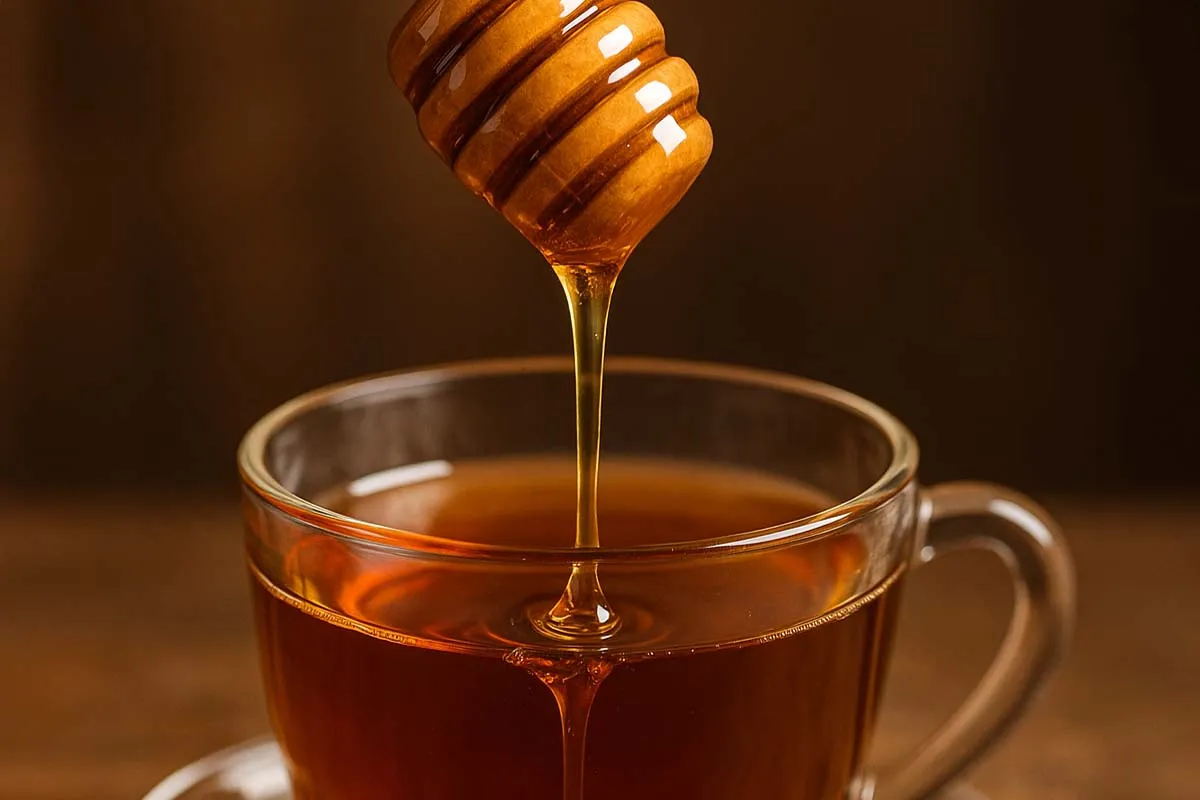
The Art of Cold Extraction: Preserving the Natural Integrity of Manuka Honey

For many people, Manuka honey is defined by its smooth texture, rich aroma, and naturally occurring activity. But few understand the role that extraction methods play in shaping these qualities. The way honey is handled after it leaves the hive can greatly influence its character, and this is where cold extraction becomes essential.
Cold extraction is not about technology for technology’s sake. It is a philosophy of restraint. A commitment to preserving what nature has created without rushing, overheating, or diluting the honey’s natural form. At 24 Degrees South, this approach sits at the heart of how every jar is made.
What Cold Extraction Really Means
At its simplest, cold extraction is the process of removing honey from the comb at temperatures lower than the beehive itself. While it may sound straightforward, it requires patience, precision, and careful handling.
The aim is to protect the honey’s natural composition. When honey is heated, even gently, it can change in texture, aroma, colour, or flavour. Overheating can also affect some of the naturally occurring compounds that make Manuka honey so distinctive.
Cold extraction avoids these risks by keeping the honey as close to its natural state as possible.
Why Temperature Matters in Honey Handling
Heat speeds things up, but it also alters the makeup of honey. That is why industrial processing often relies on high temperatures: it allows honey to flow more easily, mix more quickly, and bottle faster.
But premium Manuka honey cannot be treated like a commodity. Its value lies in its natural composition.
Cold extraction supports:
• a thicker, more luxurious texture
• the preservation of natural aromas
• a flavour that reflects the floral source
• the integrity of the honey’s natural activity
• minimal handling and maximum authenticity
For high-MGO honeys in particular, maintaining purity is especially important.
Batch Integrity: Why Keeping Honey Separate Matters
At 24 Degrees South, honey from each hive is kept separate. It is not mixed or blended with other batches to create uniformity. Instead, every harvest reflects the specific bees, the specific landscape, and the specific season it came from.
This approach allows:
• each batch to showcase its unique colour and flavour
• natural variations to be celebrated, not removed
• traceability from bloom to bottle
• purity and provenance to remain intact
Cold extraction supports this individuality by ensuring every batch maintains its original character.
Retaining the Honey’s Natural Qualities
Cold extraction is not only about what the process avoids. It is also about what it preserves.
When honey remains unheated and carefully handled, its natural qualities stay intact, including:
• the delicate structure of raw honey
• naturally occurring enzymes
• its smooth, unprocessed texture
• the complexity created by the Manuka floral source
• the subtle differences that make each jar distinct
The result is honey that tastes the way nature intended. Nothing added. Nothing taken away.
A Slower Process That Reflects a Deeper Respect
Cold extraction takes more time. It cannot be rushed. It demands attention to detail at every step, from uncapping frames to slowly allowing honey to drain at its own pace.
But this slower method aligns with the philosophy of Manuka itself. High-grade Manuka honey is a limited, seasonal product shaped by short bloom windows and challenging conditions. Extracting it gently is a continuation of that respect.
This is not about speed or volume. It is about integrity.
Preserving Purity From Hive to Jar
Cold extraction is one of the defining factors that sets premium Manuka honey apart from more commercially processed honeys. It ensures the honey’s natural qualities remain intact, allowing every jar to carry the true essence of the landscape it came from.
For those seeking authenticity, cold extraction is more than a technique. It is a promise. A way of honouring the honey and the environment that created it.
Related posts
What Makes Australian Manuka Honey Unique? A Look Into Our Native Biodiversity

Inside the Hive: How Healthy Bees and Pristine Environments Shape Premium Manuka Honey
The Art of Cold Extraction: Preserving the Natural Integrity of Manuka Honey
Understanding MGO: What It Means and Why It Matters in Manuka Honey

Monofloral, Unblended, Single Origin: Why These Qualities Matter in Genuine Manuka Honey

Australian vs New Zealand Manuka: What’s the Real Difference?

From Bloom to Bottle: The Seasonal Journey of High-Grade Manuka Honey

Why Provenance Matters: The Fraser Coast and the Making of Exceptional Manuka

How to Choose a Genuine Manuka Honey: Certifications, Testing, and Transparency