Australian vs New Zealand Manuka: What’s the Real Difference?

Manuka honey is one of the world’s most sought-after natural products, admired for its complexity, rarity, and naturally occurring activity. For many years, New Zealand has been the most widely recognised source of Manuka. But as global awareness grows, more consumers are discovering the deep Australian origins of the Manuka plant and the unique qualities that Australian Manuka honey brings to the table.
This article offers a clear, balanced comparison of Australian and New Zealand Manuka without superiority claims, highlighting their differences in environment, biodiversity, and production practices.
Origins: Where the Manuka Plant Comes From
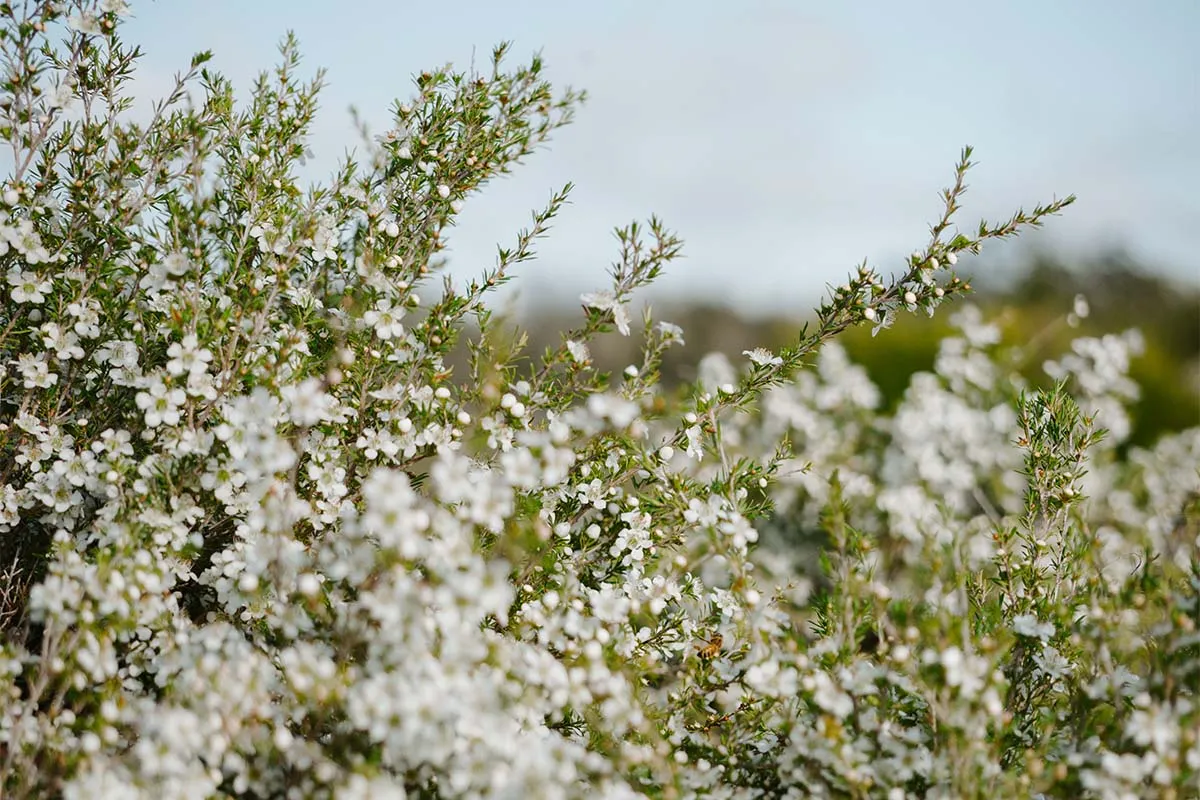
While New Zealand is known for producing Manuka honey, the Manuka plant itself – Leptospermum scoparium – and its many related species are native to Australia. Australia is the botanical home of the leptospermum family, with more than 80 species found across the continent.
New Zealand has one primary species, introduced naturally over time.
This difference in species variety influences:
• flavour
• aroma
• nectar composition
• natural activity levels
• the ecological environments where bees forage
Australia’s diverse Manuka flora gives producers access to nectar with rich variation and complex natural characteristics.
Biodiversity: A Key Point of Difference
Australia’s biodiversity is one of the most significant distinctions between the two origins. On the Fraser Coast, for example, several native leptospermum species grow together, creating a nectar profile that is layered, floral, and naturally robust.
This botanical richness contributes to:
• a wider range of natural honey characteristics
• varied seasonal expressions
• honey with deep, complex flavour notes
• the potential for naturally high activity levels
New Zealand’s single species produces a distinct, consistent Manuka profile. Australia’s diversity offers a broader spectrum of flavour and natural qualities.
Environment and Climate Influences
The landscapes of Australia and New Zealand differ dramatically, and these environments leave noticeable signatures on the honey.
Australian growing conditions
• warm, coastal climates
• long stretches of native woodland
• diverse Manuka species
• extended flowering windows in some regions
• subtropical environments ideal for nectar flow
Regions like Queensland’s Fraser Coast provide a unique combination of pristine air, coastal breezes, and ecological purity.
New Zealand growing conditions
• cooler climates
• rugged terrain
• shorter flowering periods
• isolated Manuka groves
• more uniform nectar profiles across regions
Both landscapes support high-quality Manuka honey, but their differences contribute to variations in texture, aroma, and natural activity.
MGO Levels and Natural Activity
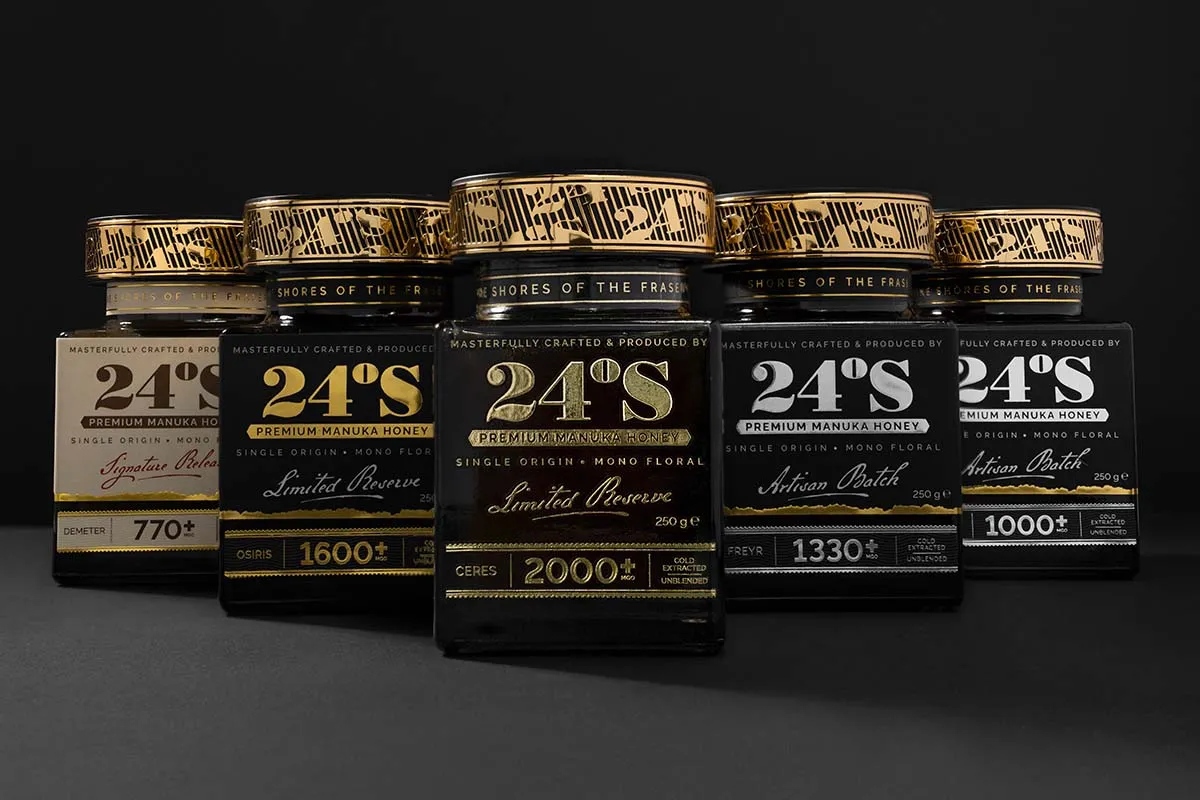
Both Australian and New Zealand Manuka honeys are graded by their methylglyoxal (MGO) levels. These values can range widely, from accessible everyday honeys to exceptionally high-activity rare batches.
New Zealand
Often known globally for its UMF and MGO grading systems.
Australia
Uses MGO as the primary marker, supported by the Australian Manuka Honey Association’s testing standards.
While high-MGO honeys are found in both countries, Australia’s biodiversity allows for a wide range of nectar compositions that can naturally produce strong MGO levels when conditions align.
Industry Standards and Certification
Both countries have robust systems to verify authenticity.
New Zealand
• UMF grading system (licensed)
• MPI (Ministry for Primary Industries) testing criteria
Australia
• Australian Manuka Honey Association (AMHA) standards
• independent lab testing for MGO and other key markers
• clear guidelines for monofloral Manuka classification
Neither system is inherently better. Both aim to protect consumers and ensure that authenticity and provenance remain transparent.
Taste and Sensory Differences
Taste can vary depending on flora, climate, and harvest conditions.
Australian Manuka
Often carries:
• deeper caramel notes
• floral undertones
• rich, earthy complexity
• subtle variations between harvests
New Zealand Manuka
Often recognised for:
• a strong, medicinal aroma
• a dense, singular flavour profile
• more uniformity across batches
These sensory differences reflect landscape and species diversity rather than quality.
So Which One Is Better?
There is no universally “better” option. Both Australian and New Zealand Manuka honeys are high-quality when produced authentically. The real question is what qualities a consumer values most:
• diversity and complexity
• single-species consistency
• regional provenance
• specific grading systems
• flavour preferences
• rarity or accessibility
Australian Manuka stands out for its biodiversity, purity, and unique natural environments. New Zealand’s long-established reputation provides strong global recognition.
Both have their place, and both offer genuine expressions of Manuka honey.
A Tale of Two Origins
Understanding the differences between Australian and New Zealand Manuka allows consumers to make informed, confident choices. Each origin carries its own story, shaped by its landscape, flora, and craft.
The key is not deciding which is superior, but recognising the value in each region’s approach to producing one of nature’s most remarkable honeys.
Related posts
What Makes Australian Manuka Honey Unique? A Look Into Our Native Biodiversity

Inside the Hive: How Healthy Bees and Pristine Environments Shape Premium Manuka Honey

The Art of Cold Extraction: Preserving the Natural Integrity of Manuka Honey
Understanding MGO: What It Means and Why It Matters in Manuka Honey

Monofloral, Unblended, Single Origin: Why These Qualities Matter in Genuine Manuka Honey
Australian vs New Zealand Manuka: What’s the Real Difference?

From Bloom to Bottle: The Seasonal Journey of High-Grade Manuka Honey

Why Provenance Matters: The Fraser Coast and the Making of Exceptional Manuka

How to Choose a Genuine Manuka Honey: Certifications, Testing, and Transparency