What Makes Australian Manuka Honey Unique? A Look Into Our Native Biodiversity
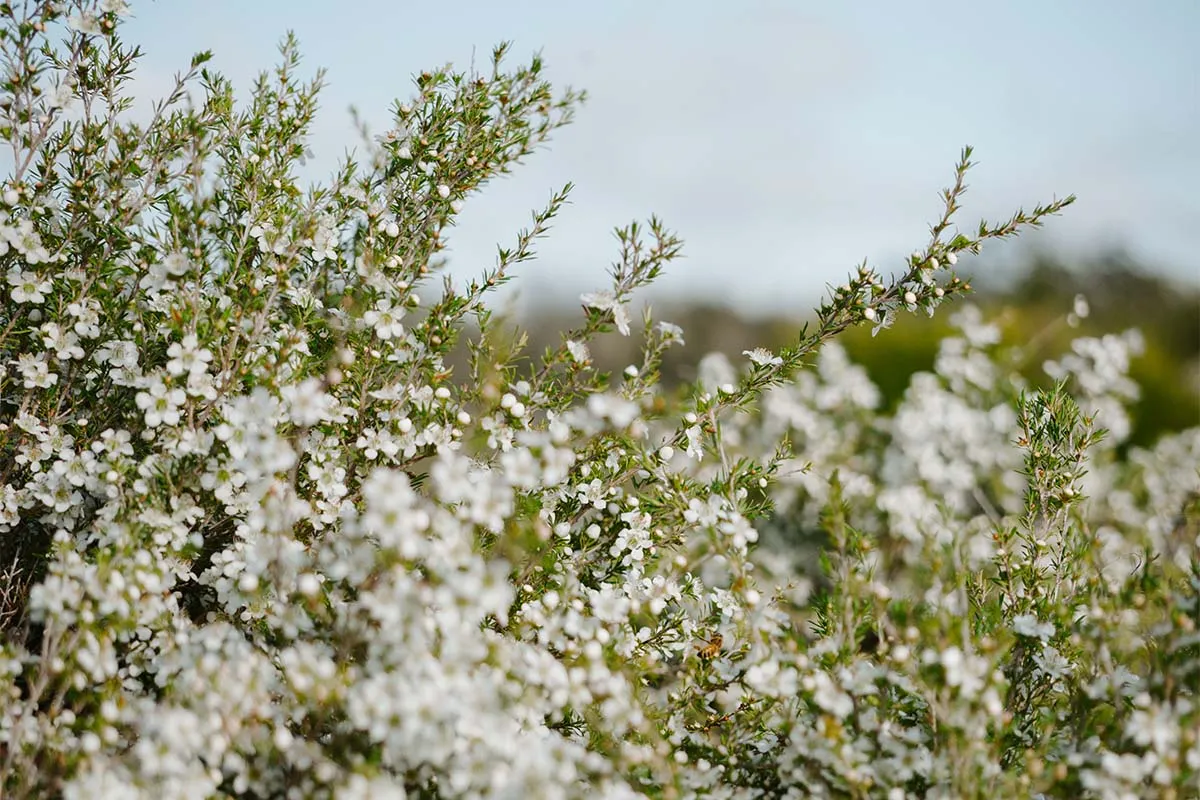
Manuka honey has become a globally recognised ingredient, valued for its natural activity, distinctive flavour, and rare qualities. But while many people associate Manuka with New Zealand, few realise that Australia is home to the deepest roots of the plant itself. With more than 80 species of native leptospermum thriving across the continent, Australia is the true botanical heartland of Manuka. This diversity shapes everything from flavour to aroma to the naturally occurring compounds found in the honey.
For those seeking purity, authenticity, and high natural activity, understanding this biodiversity is the key to understanding why Australian Manuka stands apart.
A Landscape Shaped by Variety
New Zealand has one species of leptospermum, which produces its well-known form of Manuka honey. Australia, by contrast, is home to an extraordinary range of leptospermum species, each with its own personality, flowering behaviour, and nectar profile. This natural variety creates honey with a unique depth.
On Queensland’s Fraser Coast, where 24 Degrees South harvests its honey, several native Manuka species grow in close harmony. The region’s warm climate, coastal air, and uninterrupted stretches of woodland create a thriving habitat for the trees and the bees that rely on them. This richness gives Australian Manuka honey a naturally complex character and supports the high levels of activity it is known for.
How Biodiversity Influences Natural Activity
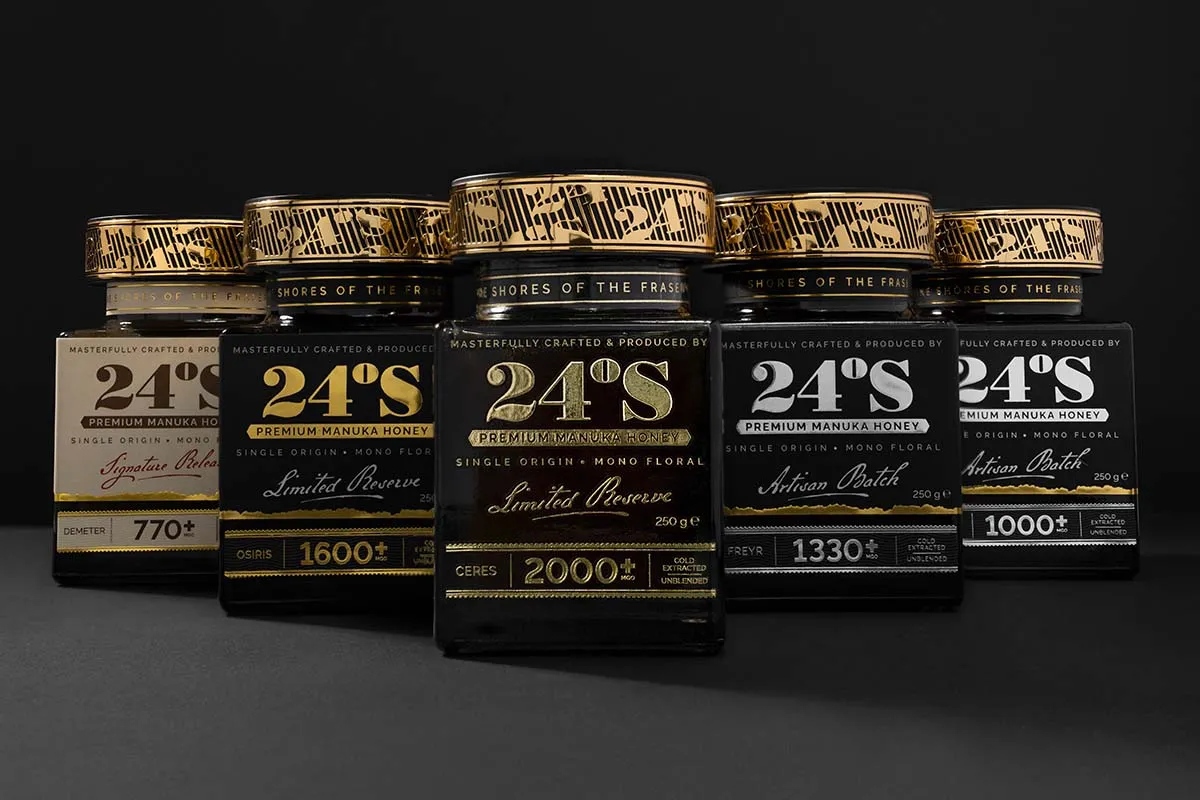
Australian Manuka honey is often celebrated for its high MGO ratings. While MGO levels vary from hive to hive and season to season, the diversity of Australian leptospermum species is one of the reasons these naturally occurring compounds can be found in such strong concentrations.
Each species contributes slightly different nectar properties. When bees forage from these native varieties, they gather nectar that carries distinct natural signatures. With careful apiary design, single-origin harvests, and cold extraction techniques, the integrity of that nectar is preserved in the honey itself.
As a result, Australian Manuka is known for its robust natural activity while still maintaining an unmistakably pure, unblended character.
A Climate and Environment Found Nowhere Else
The Fraser Coast environment plays an essential role in the uniqueness of 24 Degrees South’s honey. Here, crisp ocean breezes, subtropical temperatures, and rich native forests create a microclimate where Manuka trees flourish.
The region’s proximity to K’Gari (Fraser Island), one of the world’s most pristine World Heritage sites, contributes to the area’s overall ecological purity. Bees thrive in this environment. The trees are healthy, the air is clean, and the nectar flows with a clarity that is impossible to replicate elsewhere.
This sense of place is captured in every jar: the terrain, the wind, the sunlight, and the slow rhythm of seasonal blooms.
From Diversity Comes Rarity
While Australia has an abundance of leptospermum species, the bloom windows can be incredibly short. High-grade Manuka honey is not something produced in volume or on demand. Each flowering season is a race against time, weather, and nature.
The result is a honey that feels deeply connected to the moment it was created. Its rarity is not a marketing story but a reflection of the landscape itself: wild, unpredictable, generous, and always changing.
This is why Australian Manuka, particularly from regions like the Fraser Coast, continues to gain recognition on the world stage. Its complexity comes from nature, its purity from careful stewardship, and its distinctive character from biodiversity found only in Australia.
A True Expression of Origin
Australian Manuka honey is not defined by a single plant or a single coastline. It is shaped by the richness of its native flora and the environments bees call home. From the diversity of the leptospermum species to the pristine landscapes that support them, Australian Manuka offers a uniquely deep expression of nature.
For those seeking authenticity, this biodiversity is not just a point of difference. It is the foundation of what makes Australian Manuka honey exceptional.
Related posts
What Makes Australian Manuka Honey Unique? A Look Into Our Native Biodiversity

Inside the Hive: How Healthy Bees and Pristine Environments Shape Premium Manuka Honey

The Art of Cold Extraction: Preserving the Natural Integrity of Manuka Honey
Understanding MGO: What It Means and Why It Matters in Manuka Honey

Monofloral, Unblended, Single Origin: Why These Qualities Matter in Genuine Manuka Honey

Australian vs New Zealand Manuka: What’s the Real Difference?

From Bloom to Bottle: The Seasonal Journey of High-Grade Manuka Honey

Why Provenance Matters: The Fraser Coast and the Making of Exceptional Manuka

How to Choose a Genuine Manuka Honey: Certifications, Testing, and Transparency